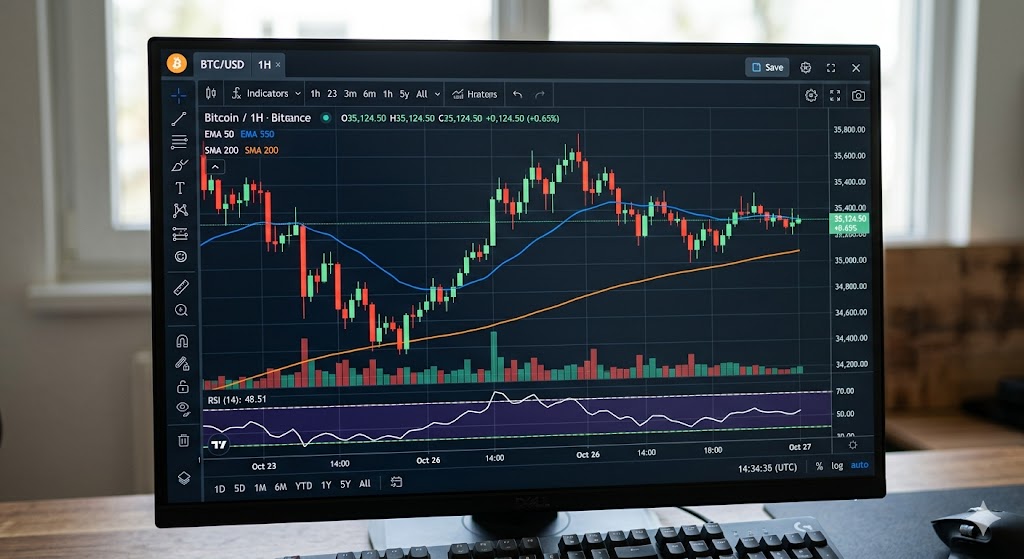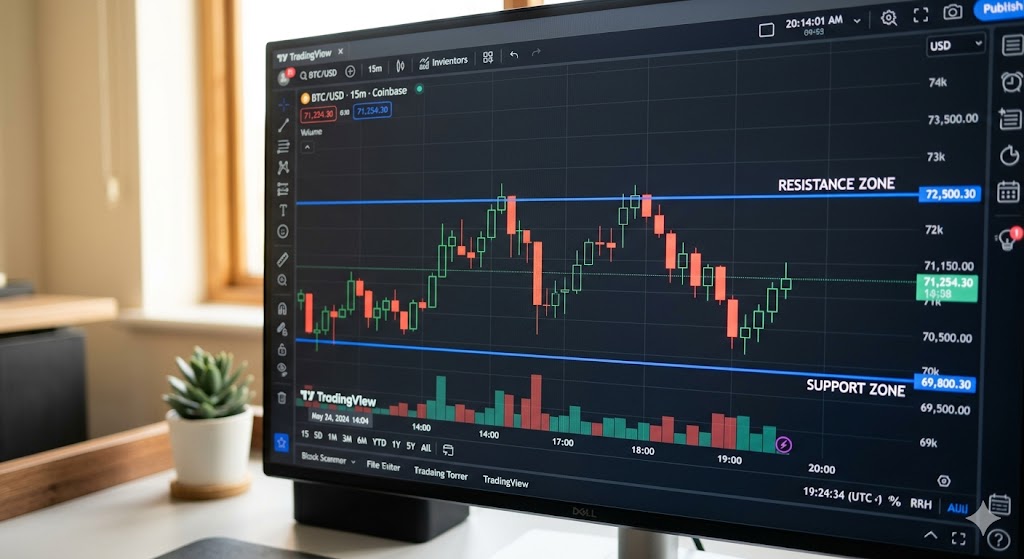


Trading vs investing is a common comparison for anyone entering financial markets. While both involve buying and selling assets, they differ significantly in time horizon, strategy, and risk approach.
Understanding these differences can help you choose an approach that aligns with your goals and comfort level.
What Is Trading vs Investing

Trading focuses on short-term price movements, while investing emphasizes long-term growth.
Trading
- Short-term positions
- Frequent buying and selling
- Focus on price patterns and timing
Investing
- Long-term holding
- Less frequent transactions
- Focus on fundamentals and value
Both approaches aim to grow capital—but they use very different methods.
Key Differences Between Trading and Investing
Understanding the distinctions can clarify which approach suits you.
| Factor | Trading | Investing |
|---|---|---|
| Time horizon | Short-term | Long-term |
| Frequency | High | Low |
| Focus | Price movement | Business value |
| Risk level | Higher | Moderate |
| Strategy | Technical analysis | Fundamental analysis |
These differences affect how you interact with the market daily.
How Trading Works
Trading is centered on capturing short-term opportunities.
Traders often:
- Analyze charts and indicators
- React to market news and momentum
- Use strategies like intraday or swing trading
- Manage positions actively
Success in trading often depends on timing, discipline, and risk control.
How Investing Works
Investing focuses on building value over time.
Investors typically:
- Research companies or assets
- Hold positions for months or years
- Benefit from growth and compounding
- Ignore short-term fluctuations
This approach emphasizes patience and long-term perspective.
Pro Insight
Many experienced market participants combine both approaches—investing for long-term growth while allocating a smaller portion of capital to trading for short-term opportunities.
Pros and Cons Comparison
| Approach | Advantages | Challenges |
|---|---|---|
| Trading | Quick opportunities, flexibility | Higher risk, time-intensive |
| Investing | Long-term growth, less active | Requires patience, slower results |
Choosing between them often depends on lifestyle and risk tolerance.
Quick Tip
If you’re new to markets, starting with a long-term investing approach can help you build experience before exploring active trading.
Real-World Micro Scenario
An investor buys shares in a company and holds them for several years, benefiting from gradual growth.
A trader, on the other hand, buys and sells the same stock within days or hours, aiming to profit from short-term price changes.
Both approaches can work—but they require different mindsets.
Common Mistakes to Avoid
Blending strategies without clarity can lead to confusion.
Mixing trading and investing decisions
Short-term emotions can disrupt long-term plans.
Overtrading
Frequent trades can increase costs and risk.
Lack of strategy
Both approaches require a clear plan.
Ignoring risk management
Essential for both traders and investors.

Frequently Asked Questions
What is the main difference between trading and investing?
Trading focuses on short-term price movements, while investing focuses on long-term growth.
Is trading riskier than investing?
Generally, trading involves higher risk due to frequent and short-term decisions.
Can I do both trading and investing?
Yes, many people combine both with different portions of their capital.
Which is better for beginners?
Investing is often considered more suitable for beginners due to its long-term approach.
How much time does trading require?
Trading typically requires active monitoring, while investing requires less daily attention.
Conclusion
Trading and investing serve different purposes within financial markets. Trading offers short-term opportunities but requires active involvement, while investing focuses on steady, long-term growth.
Choosing the right approach depends on your goals, time commitment, and risk tolerance. With a clear understanding of both, you can make more informed decisions about how to grow your capital.
Trusted U.S. Resources
https://www.investor.gov
https://www.sec.gov
https://www.finra.org
https://www.cftc.gov
This article is for general informational purposes only and does not provide legal, financial, medical, or professional advice. Policies, rates, and regulations may change over time.