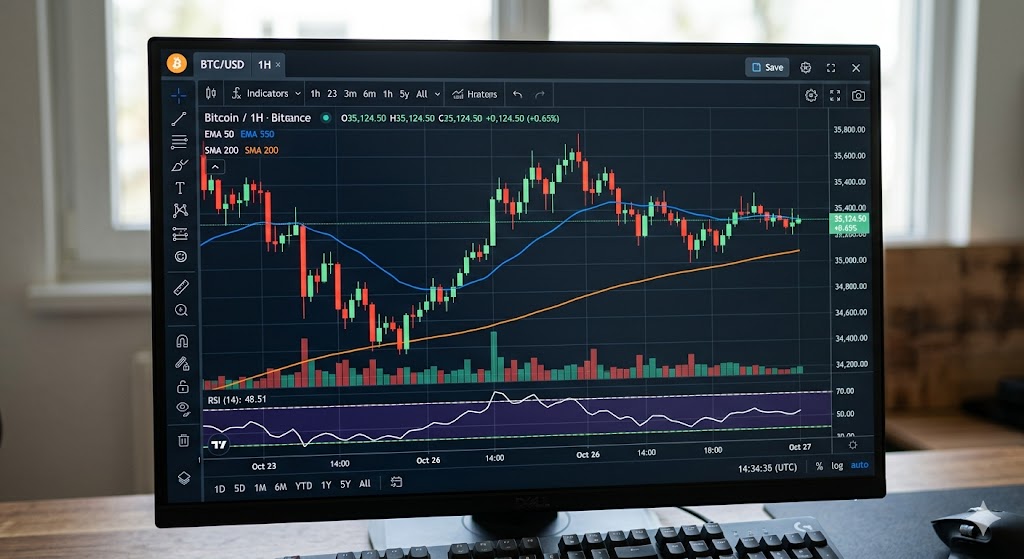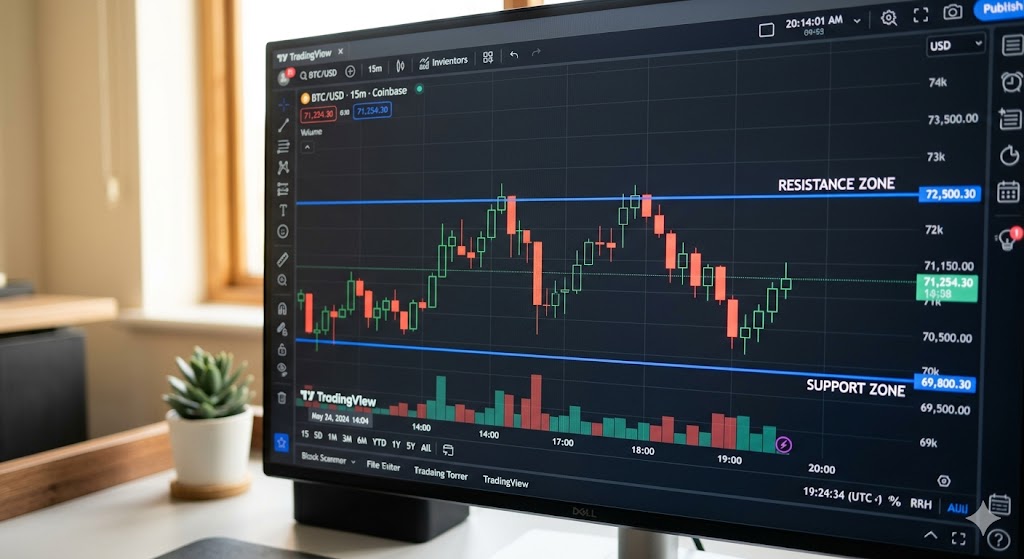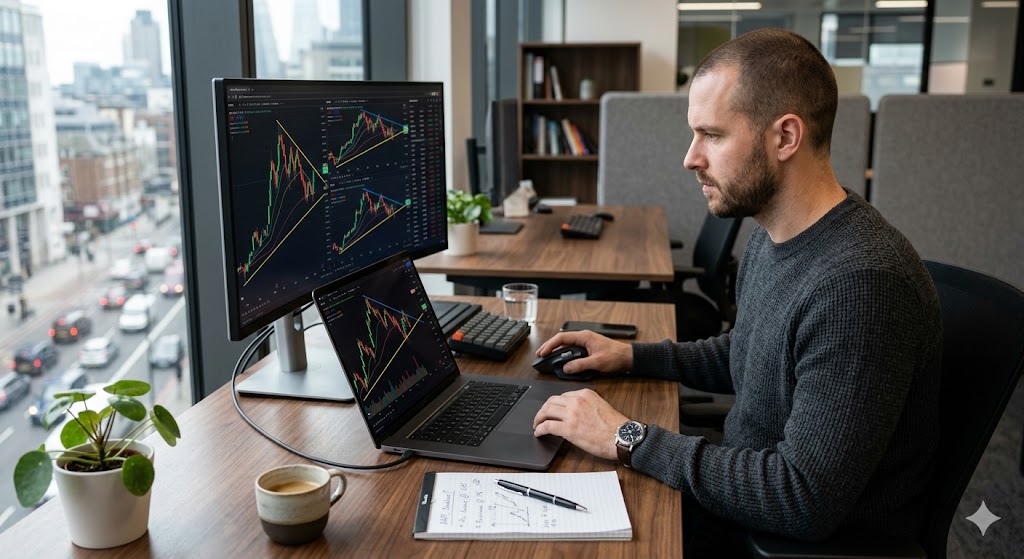


Trading can offer opportunities, but it also comes with real and often underestimated risks. Whether you’re trading stocks, forex, or cryptocurrencies, understanding these risks is essential before committing capital.
A well-informed trader focuses not only on potential gains, but also on protecting against losses.
What Are Trading Risks
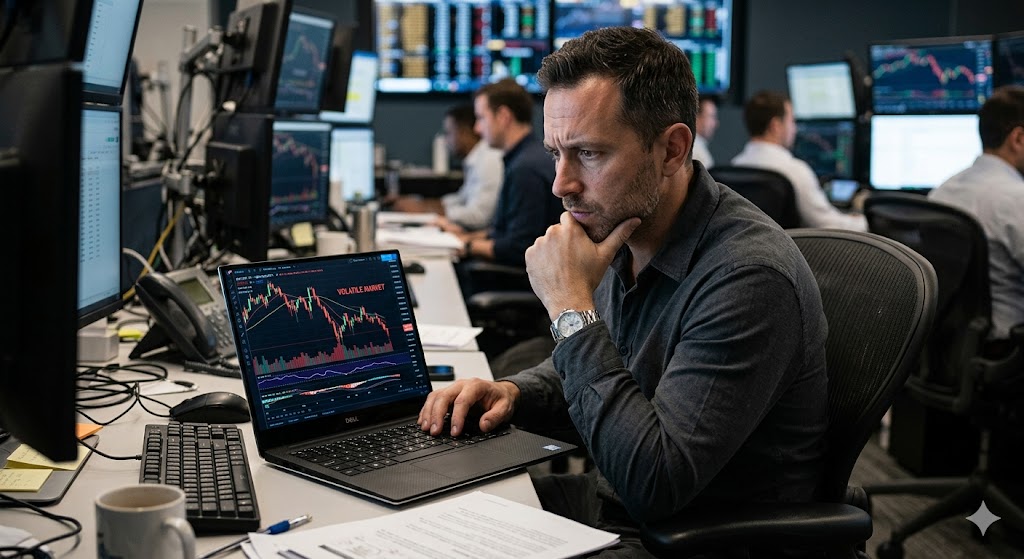
Trading risks refer to the potential for financial loss due to market movements, decisions, or external factors. These risks can affect both short-term traders and long-term investors.
Unlike fixed-income assets, trading outcomes are uncertain and influenced by multiple variables at once.
Types of Trading Risks
There are several key risks that traders commonly face.
Market risk
Prices can move unpredictably due to economic events or sentiment.
Liquidity risk
You may not be able to enter or exit a trade at your desired price.
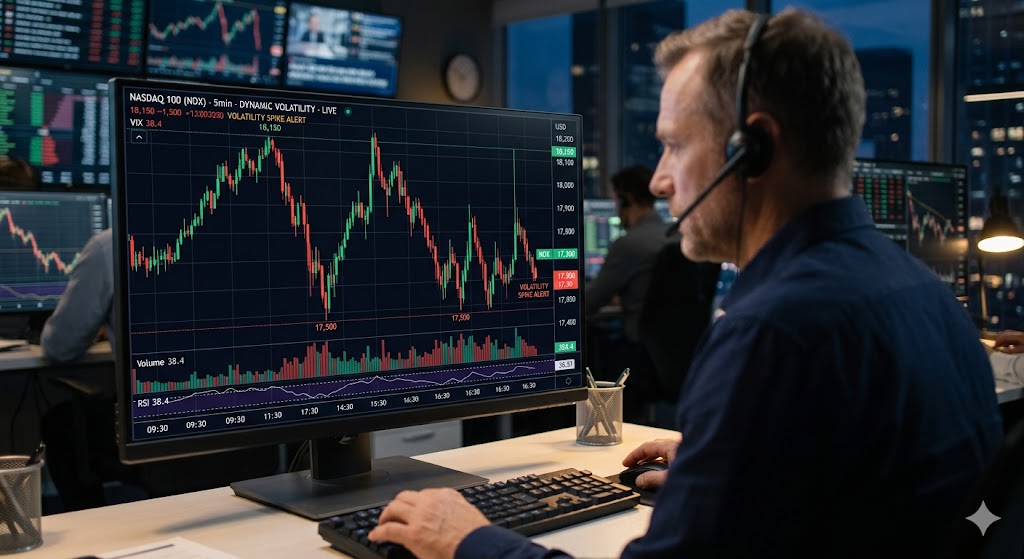
Volatility risk
Rapid price swings can lead to unexpected losses.
Leverage risk
Borrowed funds can amplify both gains and losses.
Operational risk
Technical issues, platform outages, or execution delays can affect trades.
Understanding these categories helps you anticipate different scenarios.
Risk Impact Comparison
| Risk Type | Potential Impact | Example Scenario |
|---|---|---|
| Market risk | Price moves against you | Stock drops after news |
| Liquidity risk | Difficult to exit trade | Low-volume asset |
| Volatility risk | Sudden price swings | Crypto price spike |
| Leverage risk | Amplified losses | Margin call triggered |
| Operational risk | Trade disruption | Platform outage |
Each risk affects trading performance in different ways.
Pro Insight
Risk cannot be eliminated—only managed. Successful traders focus less on predicting every move and more on controlling how much they lose when they’re wrong.
How to Manage Trading Risks
Managing risk is a core part of any trading strategy.
Use stop-loss orders
Automatically limit losses on trades.
Diversify positions
Avoid putting all capital into one asset.
Control position size
Risk only a small percentage of your capital per trade.
Avoid excessive leverage
Higher leverage increases potential losses.
Stay informed
Economic events and news can impact markets quickly.
These steps don’t remove risk, but they help reduce exposure.
Quick Tip
Before entering any trade, define your maximum acceptable loss. This simple step can prevent emotional decisions during market volatility.
Real-World Micro Scenario
A trader enters a position without setting a stop-loss. Unexpected news causes the asset to drop sharply, leading to a larger loss than anticipated.
In contrast, another trader uses a stop-loss and exits early, limiting the downside.
The difference often comes down to preparation.
Common Mistakes to Avoid
Even experienced traders can fall into these traps.
Ignoring risk management
Focusing only on profits can lead to large losses.
Overtrading
Too many trades increase exposure and costs.
Using high leverage without understanding it
This can quickly magnify losses.
Emotional decision-making
Fear and greed often disrupt rational thinking.
Frequently Asked Questions
What is the biggest risk in trading?
Market risk is often the most significant, as prices can move unpredictably.
Can trading risks be eliminated?
No, but they can be managed through proper strategies and discipline.
What is leverage risk in trading?
It’s the risk of amplified losses when using borrowed funds.
Why is risk management important in trading?
It helps protect capital and ensures long-term sustainability.
Do all traders face the same risks?
Yes, but the level of exposure depends on strategy, experience, and decisions.
Conclusion
Trading risks are an unavoidable part of financial markets, but understanding them is the first step toward managing them effectively. From market volatility to operational challenges, each risk plays a role in shaping outcomes.
By focusing on discipline, preparation, and risk control, traders can approach the market with greater awareness and resilience.
Trusted U.S. Resources
https://www.investor.gov
https://www.sec.gov
https://www.finra.org
https://www.cftc.gov
This article is for general informational purposes only and does not provide legal, financial, medical, or professional advice. Policies, rates, and regulations may change over time.